Most companies budget carefully for moving into an office and not at all for leaving one. Then, six months before the lease ends, a schedule of dilapidations arrives from the landlord’s surveyor, running to forty pages and a six figure sum, and the finance director discovers a liability nobody mentioned.
Dilapidations is the cost of putting the space back to the condition the lease requires. For most modern leases that means stripping out the Cat B fit out you paid for, reinstating anything you altered, and making good. The principle is fair. The practice is where money leaks.
Why the schedule is usually too high
The landlord’s surveyor drafts the schedule from the lease and from a walk round. It is a claim, not a bill, and it is written to the landlord’s advantage. Common overreaches include reinstatement of items the lease never required you to reinstate, repairs to base build elements that were the landlord’s responsibility all along, and a full Cat A strip out when the landlord already intends to refurbish or redevelop the floor, in which case your fit out is coming out anyway and the law limits what they can recover.
A building surveyor acting for you will typically knock a schedule down by a third to a half. Their fee is a fraction of that.
The sequence that works
First, read the lease and the schedule of condition from when you moved in. If there was no schedule of condition, your position is weaker; that is a lesson for the next lease.
Second, appoint a surveyor before you instruct any contractor. The surveyor negotiates the schedule down and tells you whether a cash settlement or the physical works is cheaper. Landlords often prefer cash because it is certain and quick.
Third, if works are needed, get the same contractor doing your new fit out to price the strip out of the old space. One programme, one set of preliminaries, one relationship. The firms on the de-fit and strip out contractors list handle both ends.
Fourth, do the works before the lease ends, not after. Once the lease expires you have no right to be in the building and the landlord does the works at their price.
What it costs
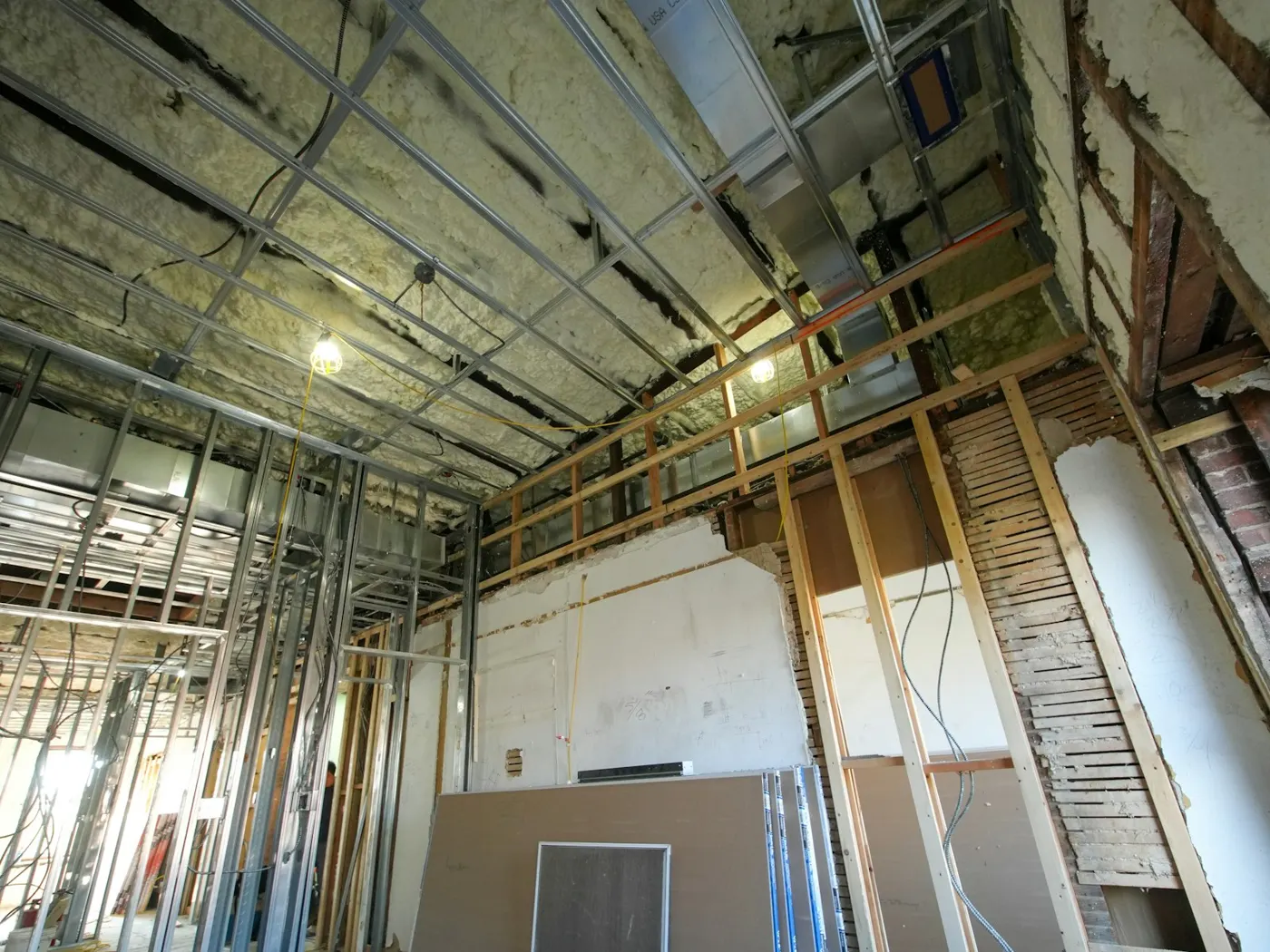
A light strip out of partitions and finishes on an office floor runs £10 to £20 per square foot. Full reinstatement of ceilings, lighting and mechanical services to Cat A can reach £30. A negotiated cash settlement is often below the works cost because the landlord saves time and takes on no programme risk.
The next lease
When you sign the next one, get a schedule of condition with photographs on day one, negotiate a cap on dilapidations or an agreed reinstatement scope, and ask whether the landlord will accept the fit out being left in place. Many will, especially if it is good. Then budget for the exit at the same time as the entrance, and the forty page schedule will hold no surprises.